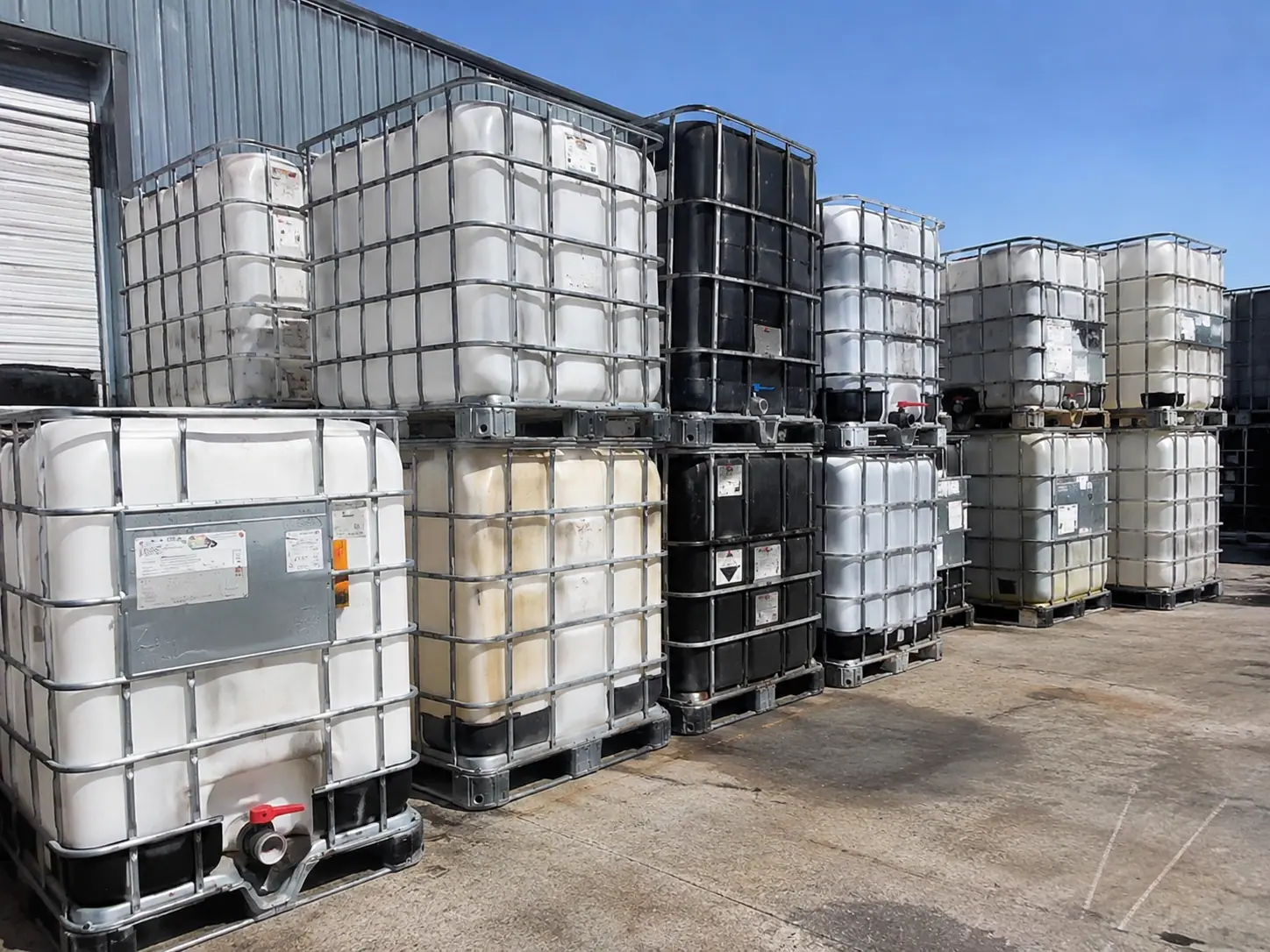
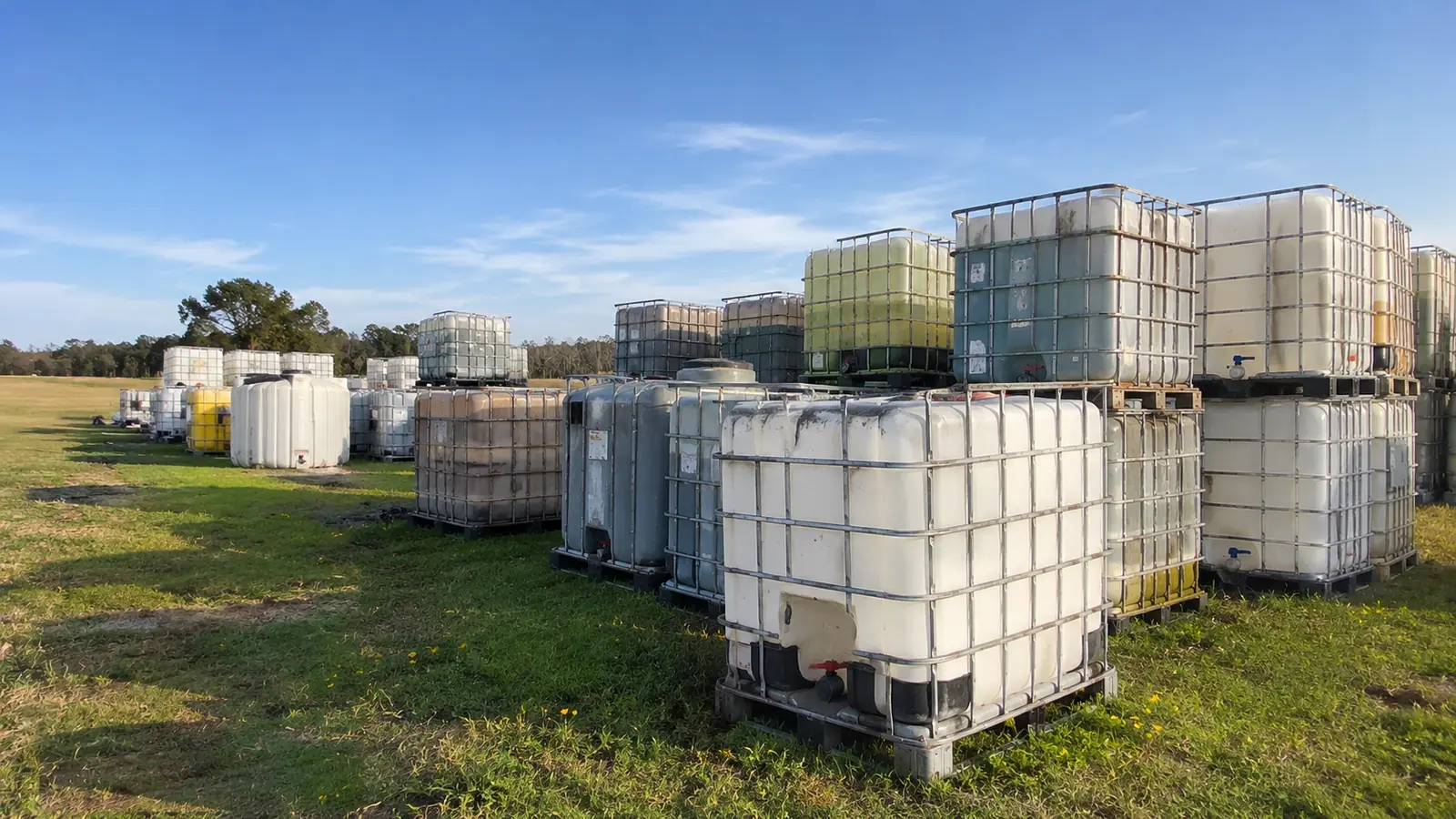
Every year, roughly six weeks of demand collides with fifty-two weeks of supply. Every year, the co-ops and custom applicators who booked in January get what they asked for and the ones who call in the second week of April take whatever is on the pad. This is not a sales technique. It is a warehouse.
The shape of the season
Agricultural demand for liquid containers in the Midwest compresses into March, April and early May. In that window we will ship more units than in the preceding four months combined, and the entire regional freight market is tight at the same time for exactly the same reasons.
Then it inverts. From June through August the same customers have yards full of empties they need gone before harvest equipment needs the space, which is our heaviest buyback period. The whole industry breathes in and out once a year.
What a blanket order actually is
Not a commitment to take delivery. A blanket order agrees a total volume and a per-unit price for a term — typically six months — and lets you call off releases against it as the season develops. You are reserving capacity and price, not scheduling trucks.
- Price is held for the term, which matters because resin and scrap steel move weekly.
- Units are allocated against your name rather than sold to whoever calls first.
- Releases are scheduled with a date you choose, usually two weeks ahead.
- Unused volume rolls into the buyback conversation in summer rather than being wasted.
Why it is cheaper, honestly
Two reasons, neither of them generosity. First, a known February release lets us wash and grade to a schedule instead of scrambling, and our throughput cost per unit is materially lower when the line is running steadily. Second, a planned delivery can be paired with a buyback collection on the return leg, which is the single biggest lever on our freight cost. We pass a share of both back.
The flip side is also honest: in the second week of April our marginal cost goes up, freight capacity is scarce, and the price reflects that.
What grade you actually need
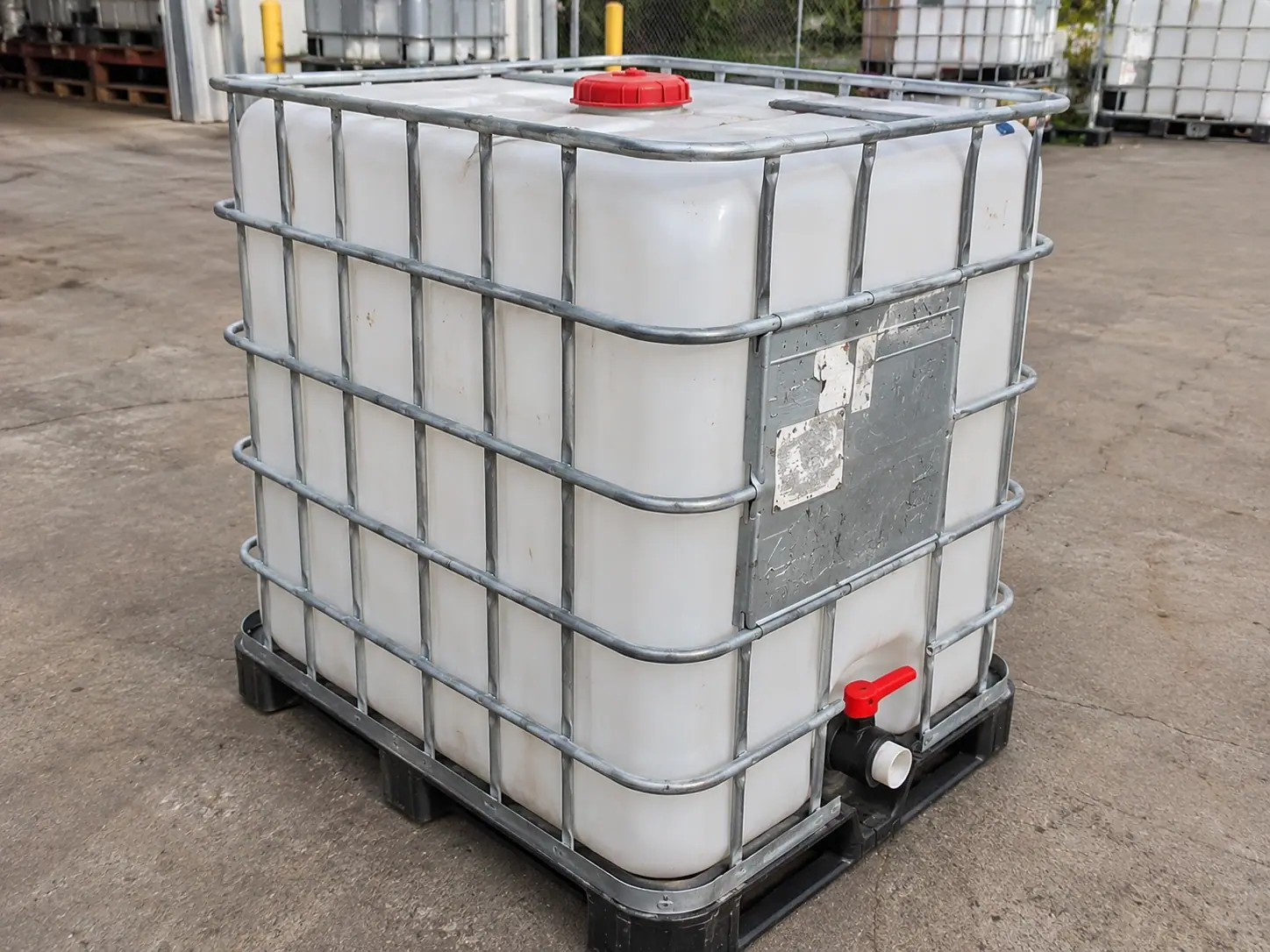
Grade B, almost always. Agricultural cargo — UAN, liquid NPK, phosphoric blends, adjuvants, most crop protection concentrates — sits comfortably in a reconditioned bottle with an EPDM seat. Paying Grade A prices for cosmetic condition on a tote that will spend April in a muddy field is money set on fire.
The exception is anything requiring a current UN marking. Check the product label; if it is regulated, you need a re-marked unit and that is a different line on the quote. See testing and certification.
Four things to settle in January
- Volume and capacity. How many 275s, how many 330s. Remember the 330 is seven inches taller and the same footprint.
- Specific gravity. UAN 32 is 1.32, which changes your stacking and your lift-gate arithmetic.
- Delivery pattern. One truckload or four releases. Four releases cost slightly more in freight and a great deal less in yard congestion.
- Summer buyback. Agree the collection at the same time. It offsets next season's purchase and clears the yard before harvest.
If it is already April
Tell us honestly what you need and when. We will tell you what is genuinely on the pad rather than quoting a comfortable date, and if we cannot hit it we will say so. Grade C units for non-potable water duty are almost always available even at peak, which sometimes solves half the problem while you wait for the rest.
And then book next January. Every customer who has made that switch has stopped having this conversation entirely.
What our yard looks like through the year
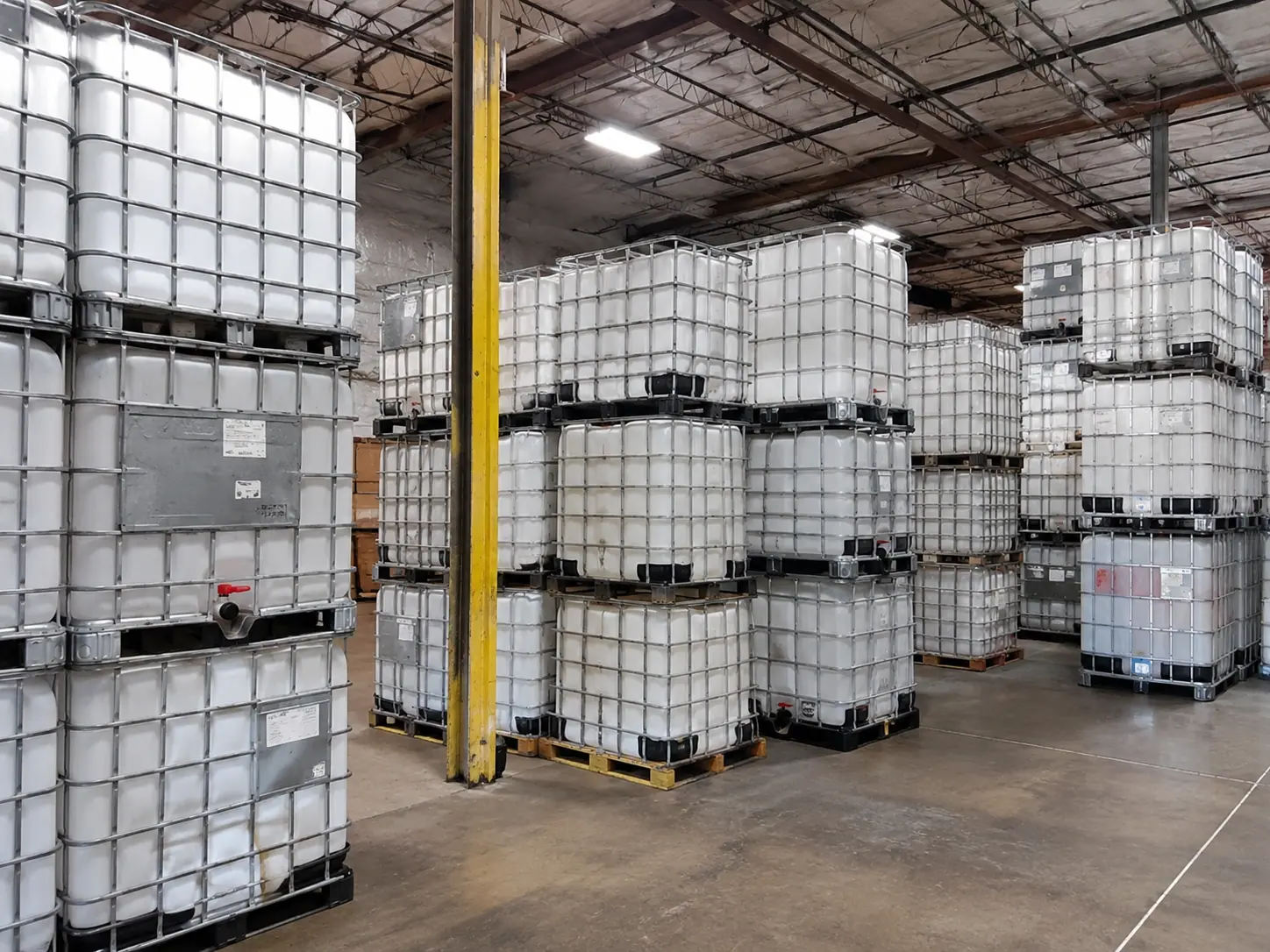
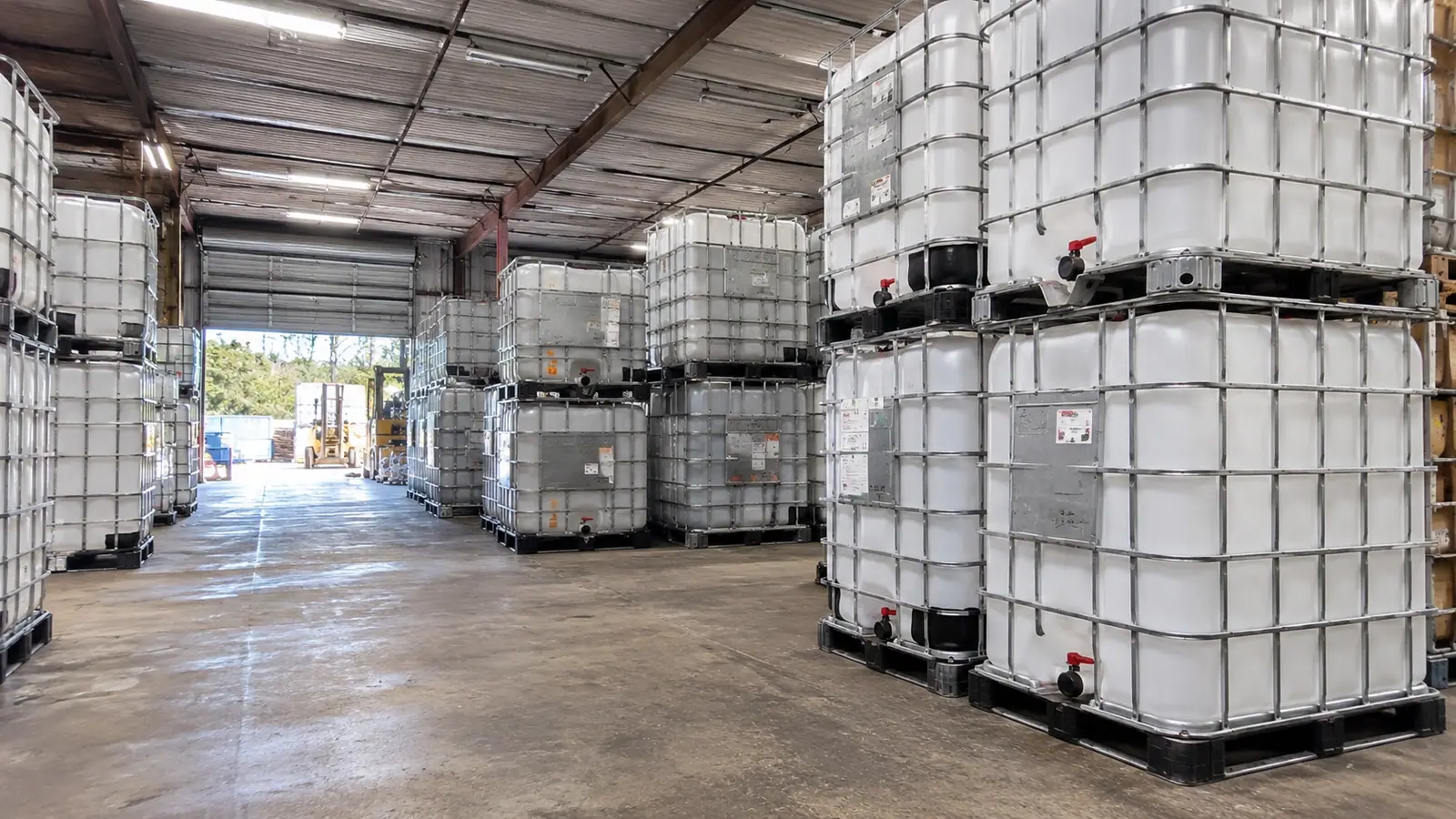
November through February we are washing and grading into stock, and the pad fills. March through early May we empty it faster than we can refill it. June through August the inbound side dominates as co-ops clear their yards. September and October we rebuild.
That cycle is why a January booking is cheaper to serve than an April one, and it is also why we are genuinely glad to hear from you in winter. A booked February release lets us wash to a schedule rather than scrambling, and our cost per unit is materially lower when the line runs steadily.
The release pattern most co-ops land on
Not one truckload. Three or four, spread across the season:
- Late February: a first release to get units on site and inspected before anybody is busy.
- Mid March: the main volume, as application windows open.
- Mid April: a top-up against actual demand rather than forecast.
- Optional May: whatever is left on the blanket, or released back.
That pattern costs a little more in freight than one large delivery and a great deal less in yard congestion, and it means your April demand is met from your own allocation rather than from our remaining pad stock.
Inspect the first release immediately
The single most useful thing a seasonal customer can do is open and inspect the first release the week it arrives, not the week it is needed. Check the grade against the card, check the thread matches your transfer fittings, check a unit fits where it needs to fit.
Any problem found in February is trivially fixed. The same problem found on the second week of April, with product waiting, is a crisis. Our grade guarantee has no time pressure on it — email a photograph and we credit or replace, freight both ways — but there is no substitute for finding out early.
The summer side of the deal
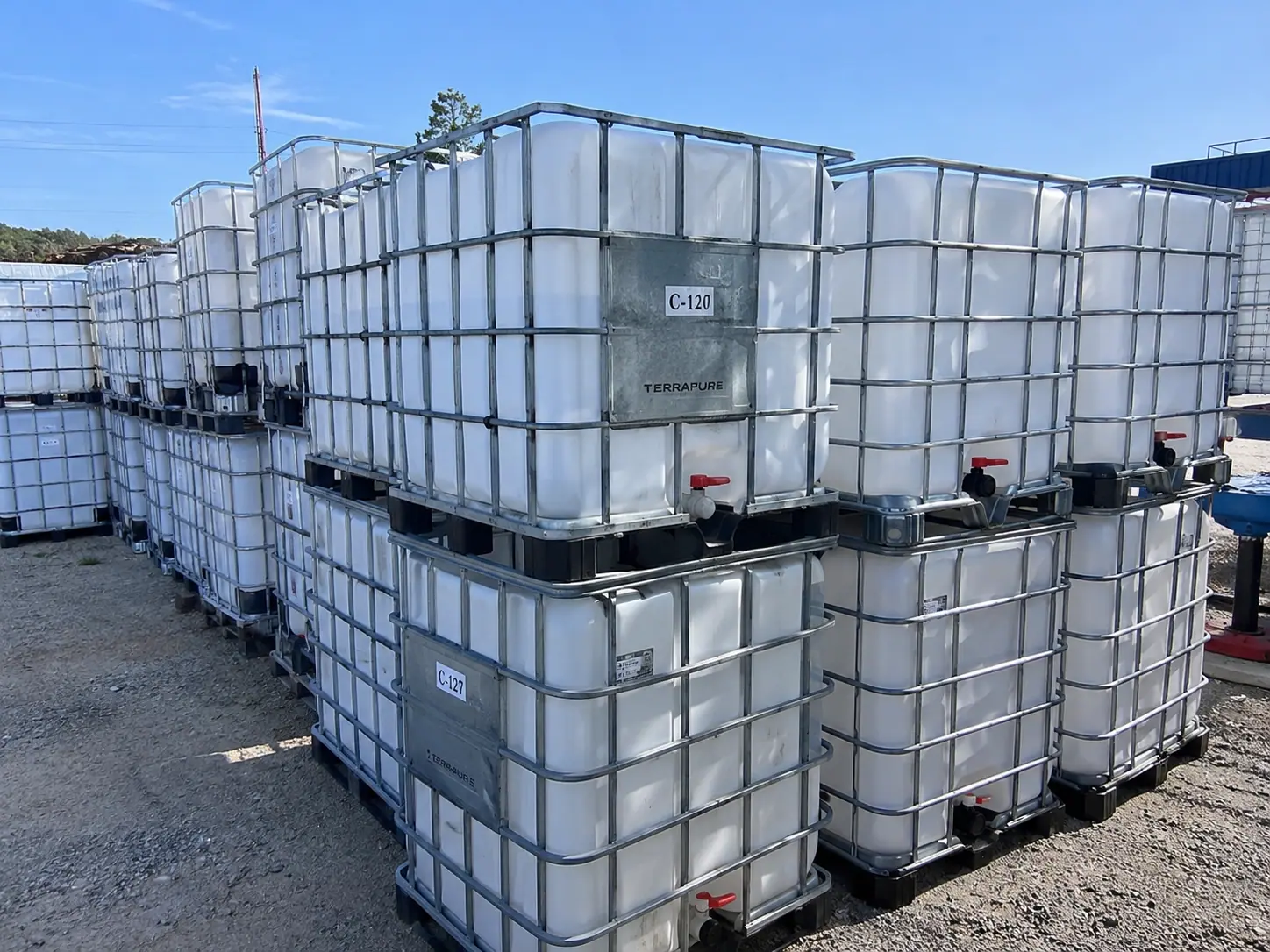
Agree the buyback in January too. Your empties are worth most when they are collected on a planned route that pairs with an outbound delivery into your region, and worth least when you call us in July needing them gone by Friday.
Co-ops that run both sides on a single annual agreement typically see the buyback offset a meaningful share of the next season's purchase, and the yard gets cleared before harvest equipment needs the space. That second benefit is usually what actually sells it internally.
What to settle on grade and marking
Grade B for almost everything. UAN, liquid NPK, phosphoric blends and most adjuvants sit comfortably in a reconditioned bottle with an EPDM seat, and cosmetic condition has no operational value on a tote that will spend April in a field.
The exception is any crop protection product whose label makes it a regulated material. Those need a unit with a current UN 31HA1/Y marking, applied after test, and that is a separate line on the quote. Check the labels in January rather than discovering it in March — see testing and certification.
And one hard limit worth knowing now: we will not take back containers that held a product classified as hazardous waste when spent. That is on the compliance page, and it is better known in advance.
If you are a custom applicator rather than a co-op
The arithmetic is the same but the storage is not — applicators typically have less yard space and more turns per unit. The pattern that works there is a smaller allocation with more frequent releases, and a buyback route rather than an annual collection, because empties accumulate steadily rather than in one lump.
At twenty or more empties a month that qualifies for a standing pickup route, which is a fixed day and a held price for six months. It is the arrangement most of our applicator customers end up on.