Sixty units is the smallest pool we will build, and customers always ask why. Here is the model, with the working, including the point where it stops being worth it.
What a pool is, in one paragraph
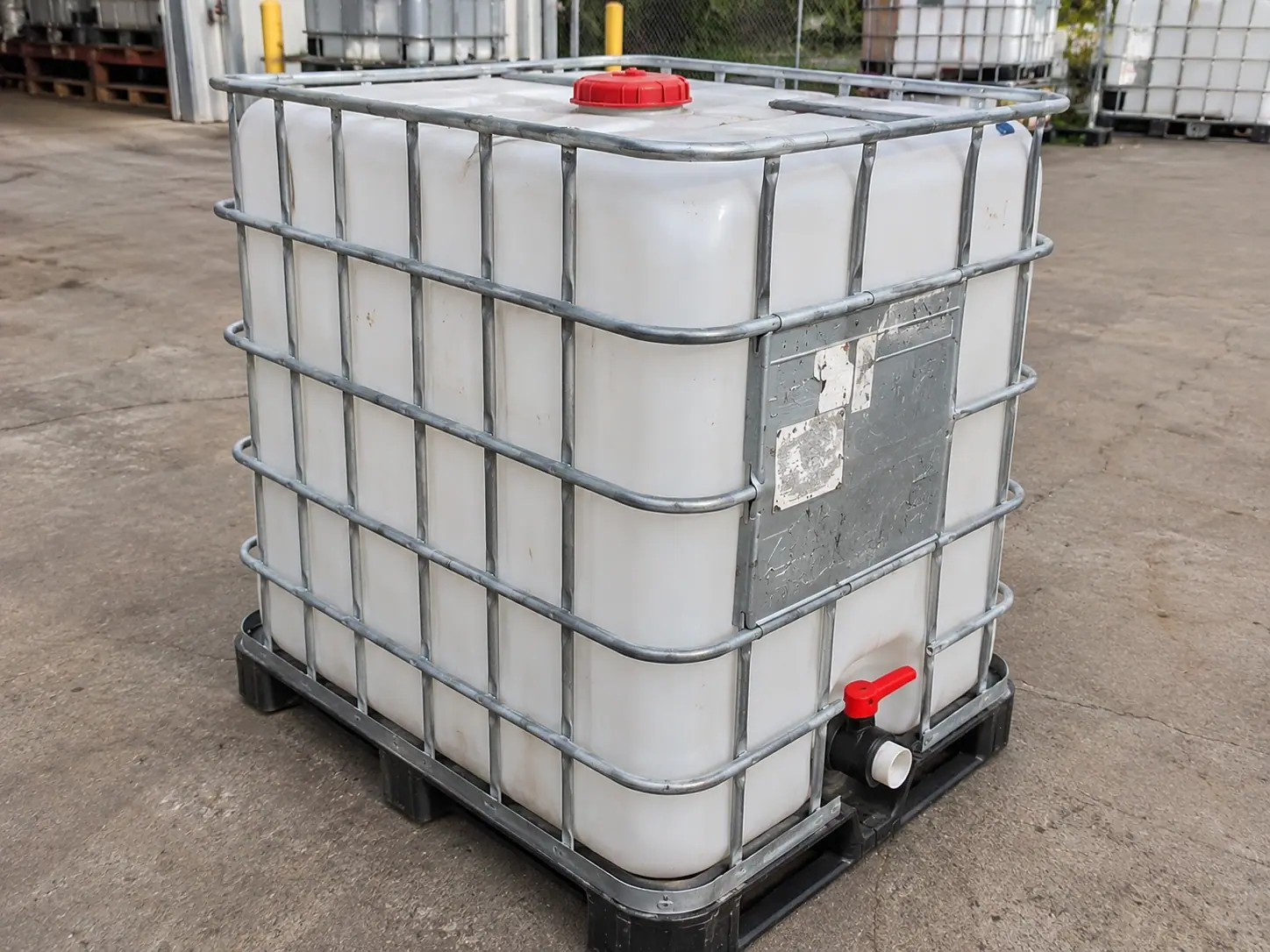
We own the containers. You fill them, ship them, and we collect, wash and redeploy them. You pay per trip, or per unit per month on a dedicated fleet. You have no capital in containers, no wash capability to build, no storage for empties, and no disposal problem at end of life.
The four costs you are actually comparing
People compare a pool rate against a purchase price, which is the wrong comparison. Owning containers costs four things, and only the first is visible.
- Capital. The purchase price, plus the cost of that capital being tied up in assets that sit idle between fills.
- Cleaning. Either a wash bay with a discharge permit, or toll washing and the freight both ways.
- Storage and handling. Yard space for empties, forklift time, and the administrative cost of tracking a fluctuating count.
- Attrition. The containers that do not come back. This is the number everybody underestimates and it is frequently the largest of the four.
Why sixty is the floor
Pooling has a fixed overhead per account regardless of size: unit-level serial tracking, a loss and damage schedule, monthly utilisation reporting, and a place in the collection routing. That overhead divided across sixty units is small. Divided across twenty, it is larger than the benefit.
Below sixty units, buying reconditioned totes outright is genuinely cheaper for you, and we will say so rather than selling you a pool. That is not modesty — a badly-sized pool generates complaints and we would rather not have them.
The three structures
Closed loop
You fill, you ship, your customer returns to you, we collect on a route. Best unit economics, only works if your customers are reasonably local and willing to hold empties.
Open return
Your customer contacts us directly and we collect from them, anywhere in the 48 states. Slightly higher per trip and no reverse logistics burden on you at all. Most of our pool customers run this.
Dedicated fleet
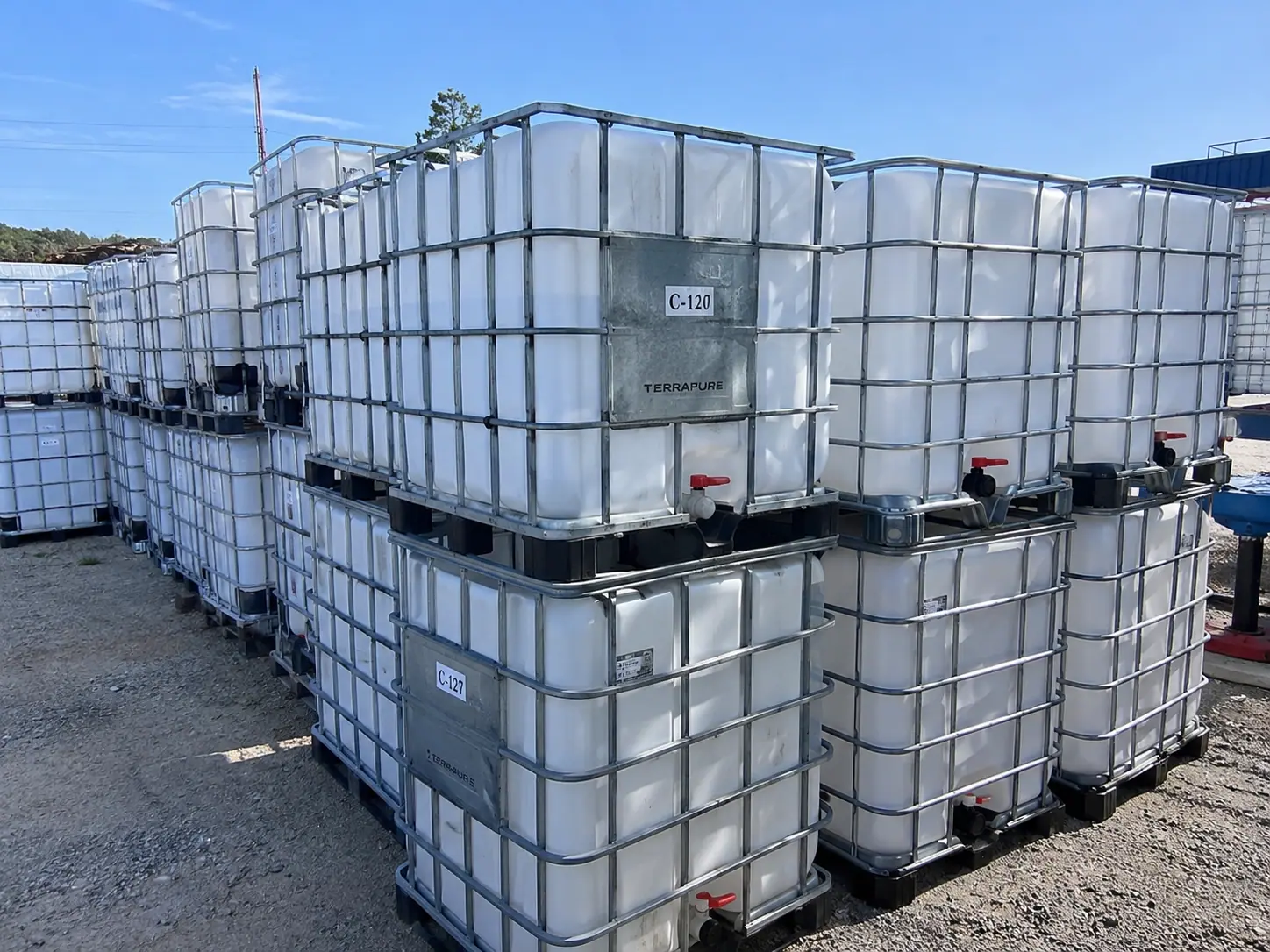
Your units, marked with your plate, never co-mingled. Required for food programmes and anything with a traceability requirement. Priced per unit per month rather than per trip.
The variable that decides everything
Trips per container per year. A sixty-unit pool turning four times a year is 240 trips. A sixty-unit pool turning twelve times is 720. Same capital, triple the output, and the per-trip cost falls accordingly.
Turn rate is driven by how quickly containers come back, which is driven by whether anybody is responsible for returning them. In a pool that is our job, with a commercial interest attached — which is the entire mechanism. More on that in tote theft, asset tags and pooling.
Loss and damage, published
The agreement carries a fixed schedule with charges per failure mode — bottle, cage, pallet, valve. No negotiation at invoice time. This is the part of pooling that goes sour elsewhere in the industry, and publishing the schedule up front is how we avoid it.
The environmental version
A container's embodied impact is fixed at manufacture. Divide by trips:
- One trip: roughly 240 lb CO₂e per trip.
- Four trips: roughly 60 lb.
- Nine trips: roughly 27 lb.
Nothing about the container changes. A well-run pool is the strongest environmental option we sell, and it is strongest precisely because the incentive to recover the container sits with the party best placed to do it.
Getting a model
Send us monthly fill volume, typical shipping radius and cargo class. We build these regularly and we will show you the arithmetic, including the case where the answer is “buy them outright, you are not big enough yet.”
Working a sixty-unit example
Take a filler shipping 240 tote-loads a year within a 300 mile radius, with customers who will hold an empty for a few weeks.
At four turns per unit per year, 240 loads needs 60 units in circulation. At six turns it needs 40. At eight, 30. So the first question is not “how many containers do I need” — it is “how fast do they come back,” and the fleet size falls out of the answer.
That is why we ask about shipping radius and customer type before quoting a pool size. A 300 mile radius with cooperative customers supports six to eight turns; a national one-way distribution pattern supports two, and at two turns pooling stops making sense.
Where the fixed overhead actually goes
The per-account overhead that sets the sixty-unit floor is not margin. It is:
- Serial-level tracking and the reconciliation that goes with it.
- A place in collection routing, which means dispatcher attention every cycle.
- Monthly utilisation and diversion reporting.
- Managing the loss and damage schedule, including the awkward conversations.
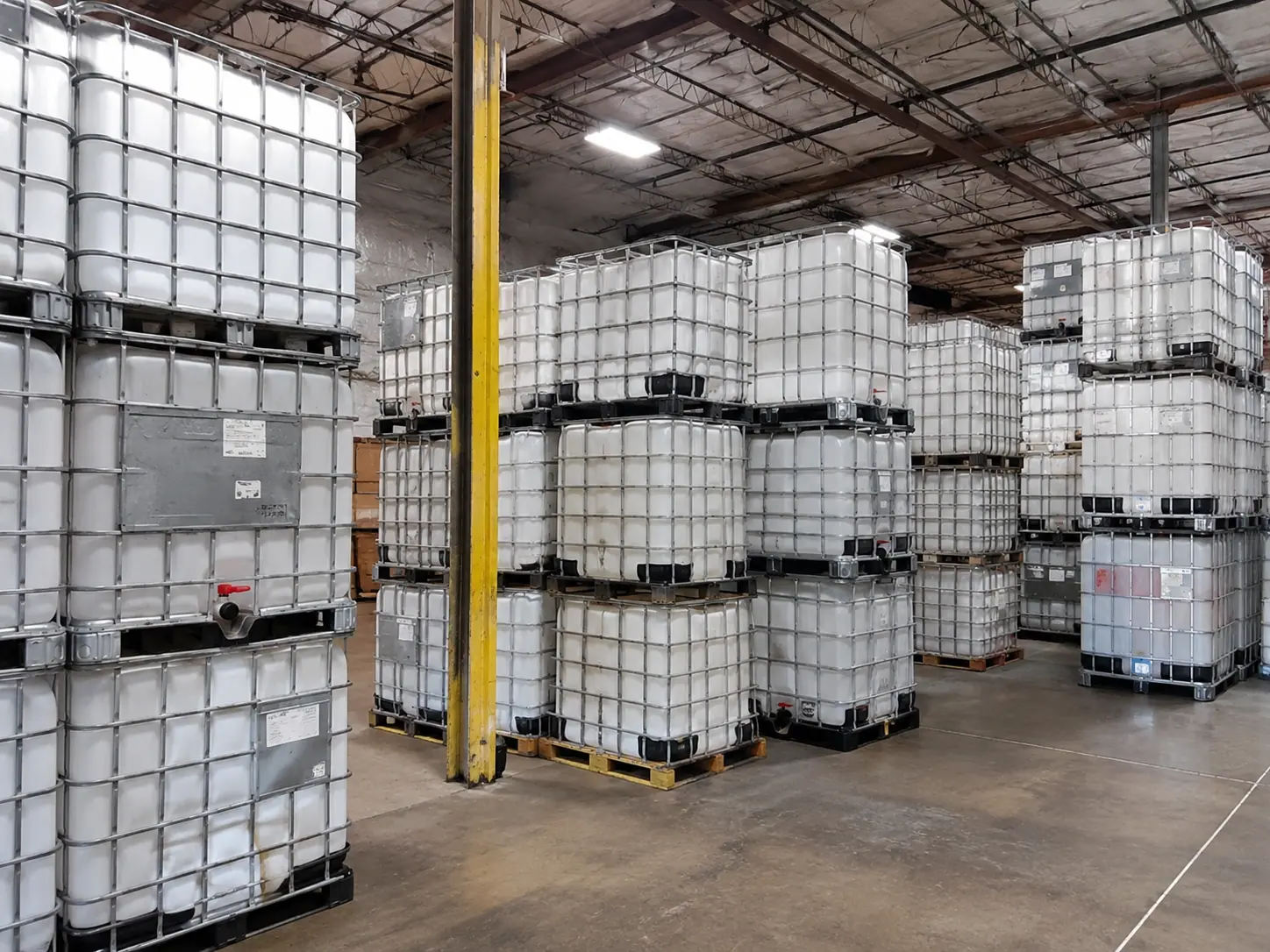
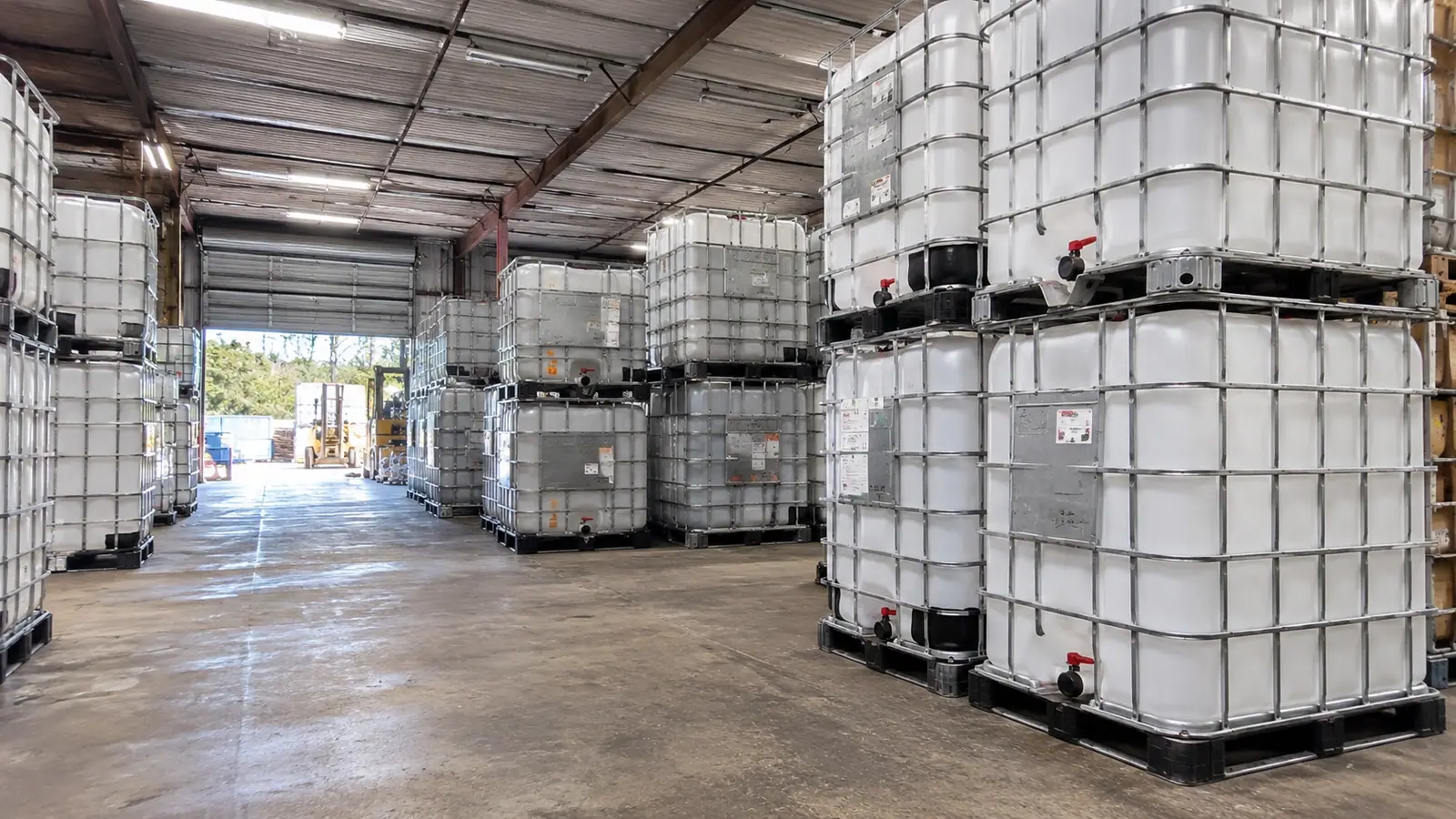
- Holding buffer stock so your pool does not run short when returns are slow.
That last one is the hidden cost. A pool of sixty working units needs more than sixty containers in existence, because some are always in transit, in wash or at a customer. We carry that buffer, and it is a real asset commitment.
Reading a pool quote
Three things to check in anybody's pooling proposal, including ours.
- Is the loss and damage schedule published, with fixed amounts? If it says “at cost” or “to be assessed,” you have an open-ended liability and this is where pooling relationships sour.
- Who pays collection freight, and from where? “We collect nationally” and “we collect within our routes” are different products.
- What happens at termination? Who chases the units still at customer sites, and who pays for the ones that never come back.
We publish answers to all three in the agreement rather than in a conversation, because the ambiguity always resolves against the customer later.
Dedicated fleets, and when they are required
Model C — your units, your plate, never co-mingled — costs more and is non-negotiable in two cases: a food programme, and any application with a traceability requirement that an auditor will test.
It is priced per unit per month rather than per trip, which changes the economics entirely: you are now paying for availability rather than usage, so turn rate matters less and fleet sizing matters more. For a food filler with seasonal peaks, that is usually the right trade.
What pooling does not fix
Honest limitations:
- One-way distribution. If containers genuinely never come back, pooling is just a more expensive way to buy them.
- Very small volumes. Below sixty units the overhead exceeds the benefit and buying outright is cheaper. We will say so.
- Incompatible cargo. If HDPE cannot hold it, no commercial structure helps.
- Customers who destroy containers. The loss schedule prices it; it does not prevent it. That needs a conversation with your customer.
The number we are really selling
Turns per container per year. Everything else — the rate, the fleet size, the reporting — is downstream of it. A pool is a mechanism for making somebody commercially responsible for that number, and we are the somebody.
At nine turns a container's embodied impact per trip is roughly 27 pounds of CO₂e against 240 at one turn, with no change to the container at all. That is the strongest environmental claim in our catalogue and it rests entirely on logistics rather than on materials. Send us volume, radius and cargo class and we will model it properly — details on the leasing and pooling page.