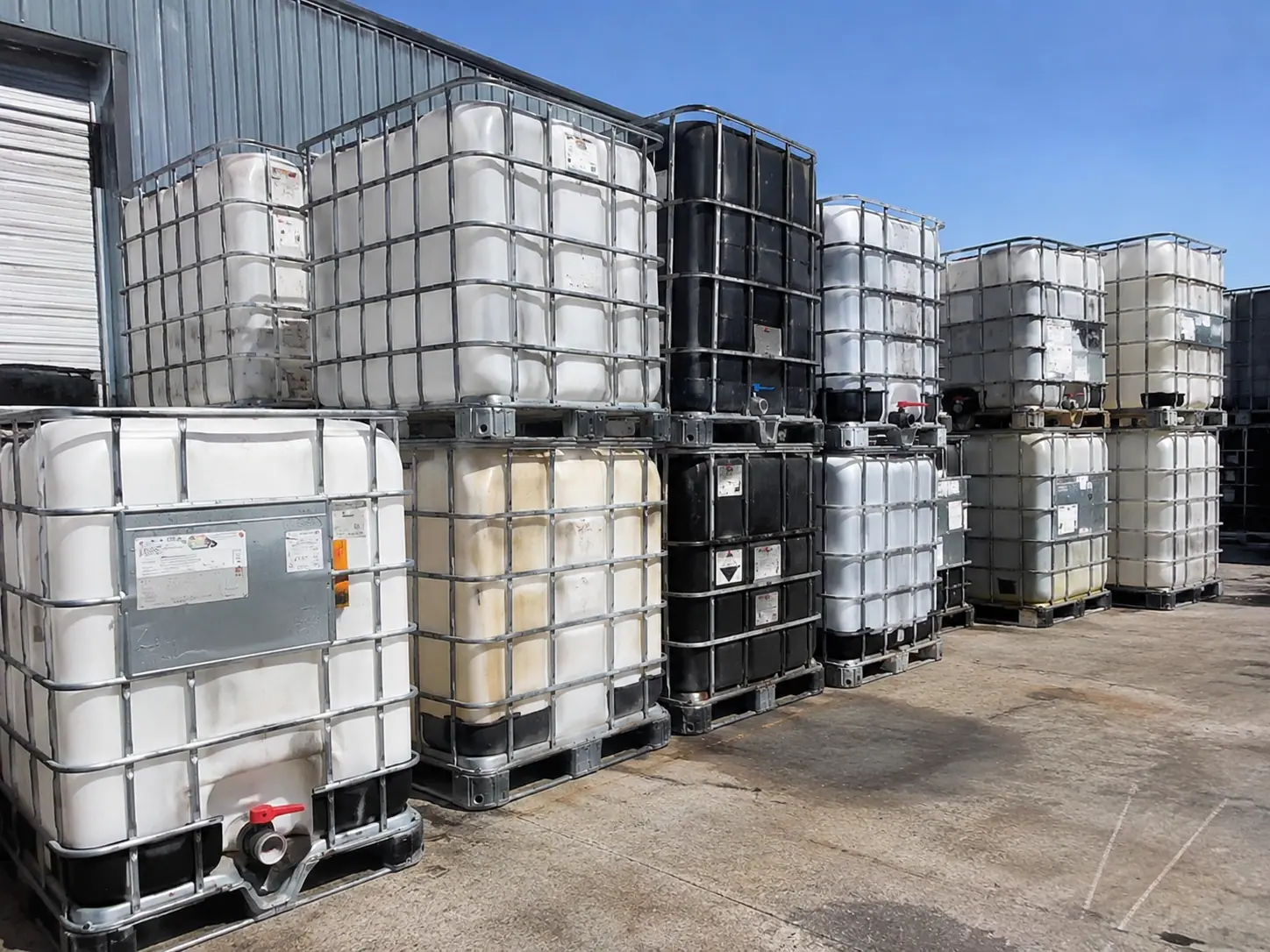
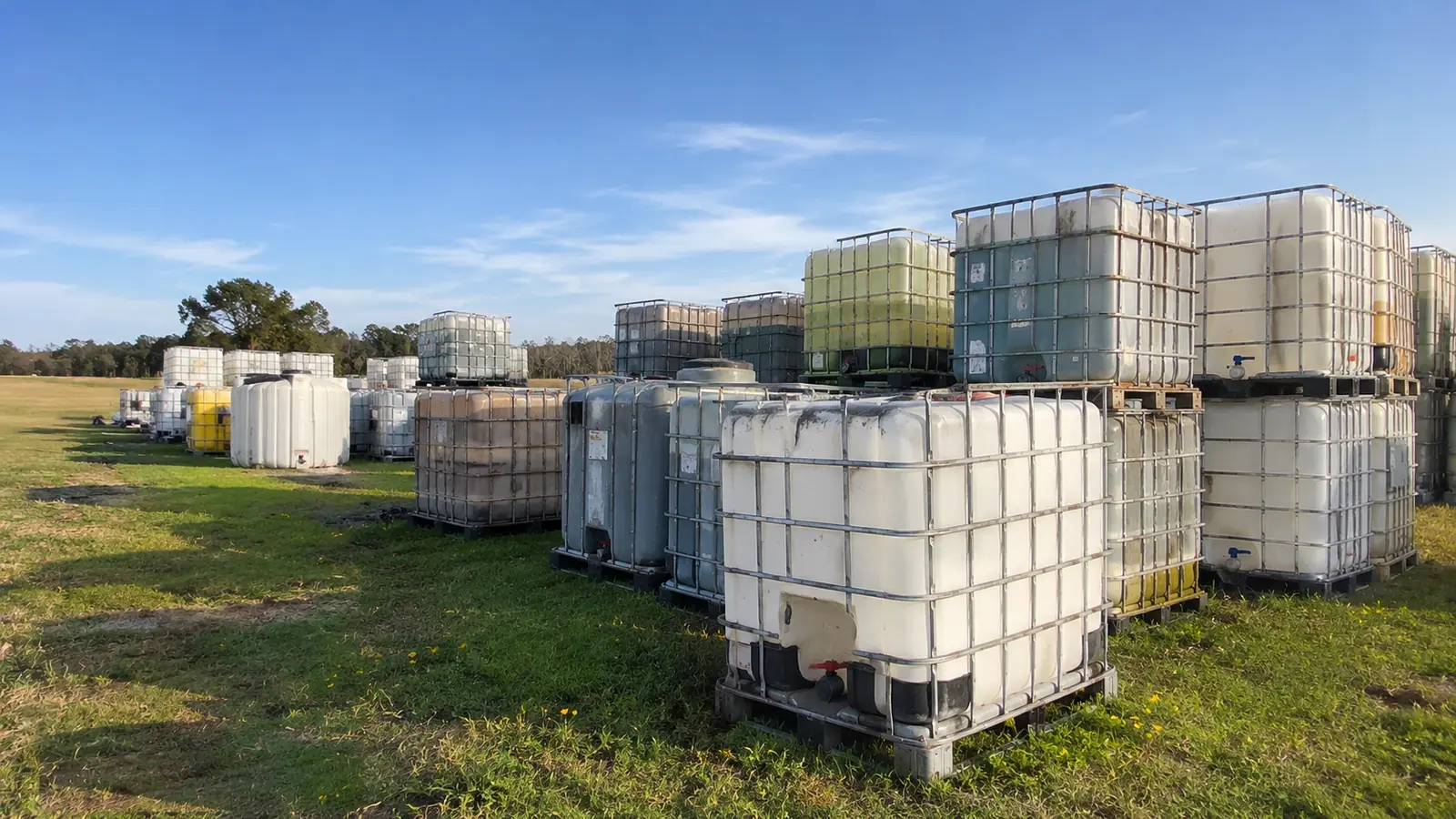
Damage claims are won or lost in the thirty seconds before the driver leaves. Everything after that is negotiation about things nobody can verify.
Why timing is everything
Once a driver has left your site with a clean delivery receipt, the question changes from “what arrived damaged” to “who damaged this and when.” Those are completely different conversations and only the first one is easy to settle.
This is not carriers being difficult. A clean signed receipt is a statement that the goods arrived in apparent good order, and it is hard to walk back without evidence.
The thirty-second routine
- Walk the load before you sign. Not after unloading — before the straps come off, while it is still on the deck.
- Photograph the whole load first. One wide shot showing securement, strapping and the trailer. This establishes context and is the shot people always skip.
- Photograph each damaged unit. Wide enough to identify it, close enough to see the damage, and include something for scale.
- Write it on the delivery receipt. Specific: “Unit 7, bottle split lower corner” beats “damage.” Have the driver see you write it.
- Email the photographs the same day. To us, with the delivery number and the receipt photograph.
That is the entire process. We settle within five business days when it is followed.
What we look for in the photographs
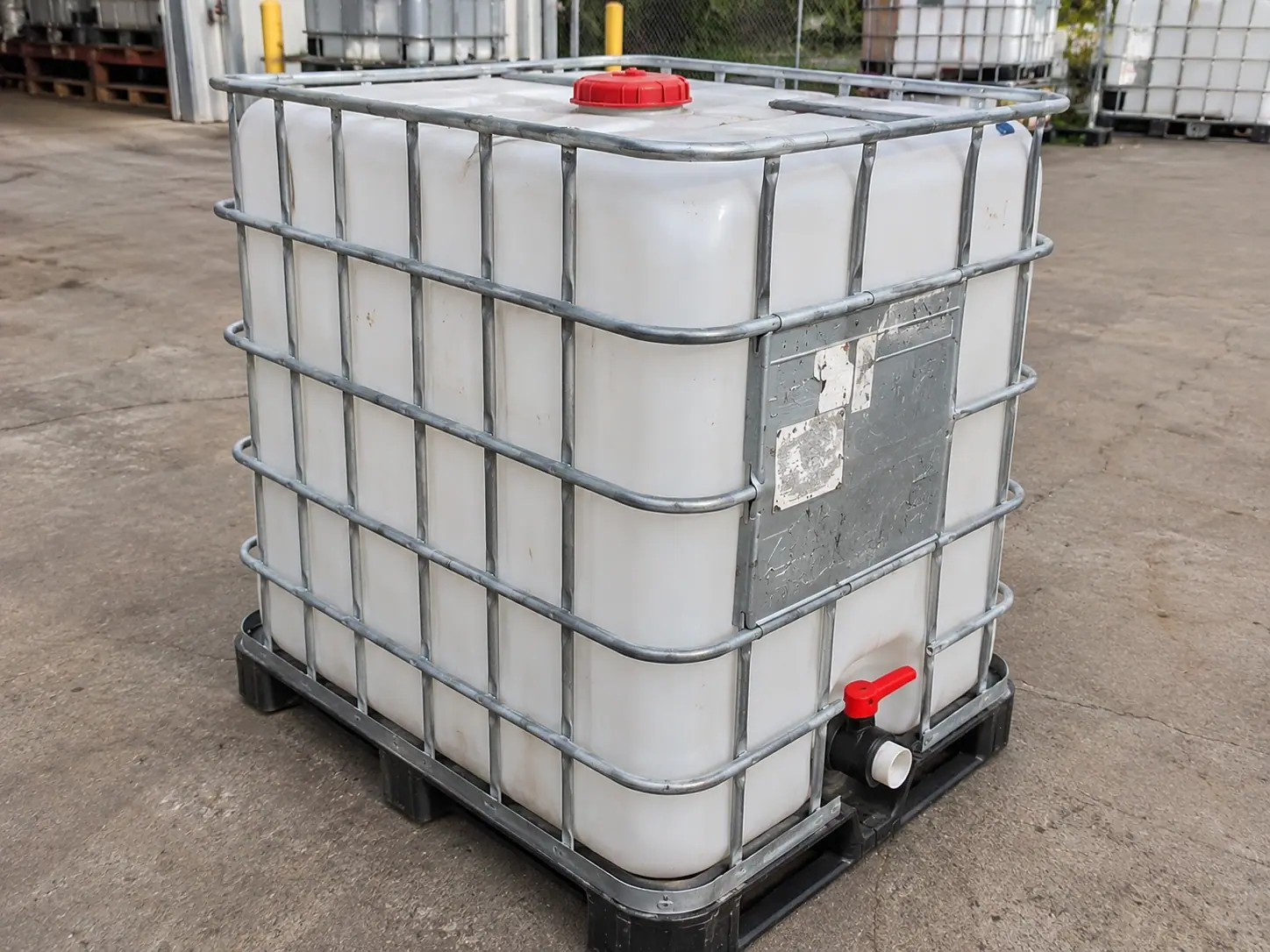
- Securement. Were straps over the cage top rail with corner protectors, or across an unsupported bottle wall? The latter causes most of the arrival damage we see on loads we did not pack.
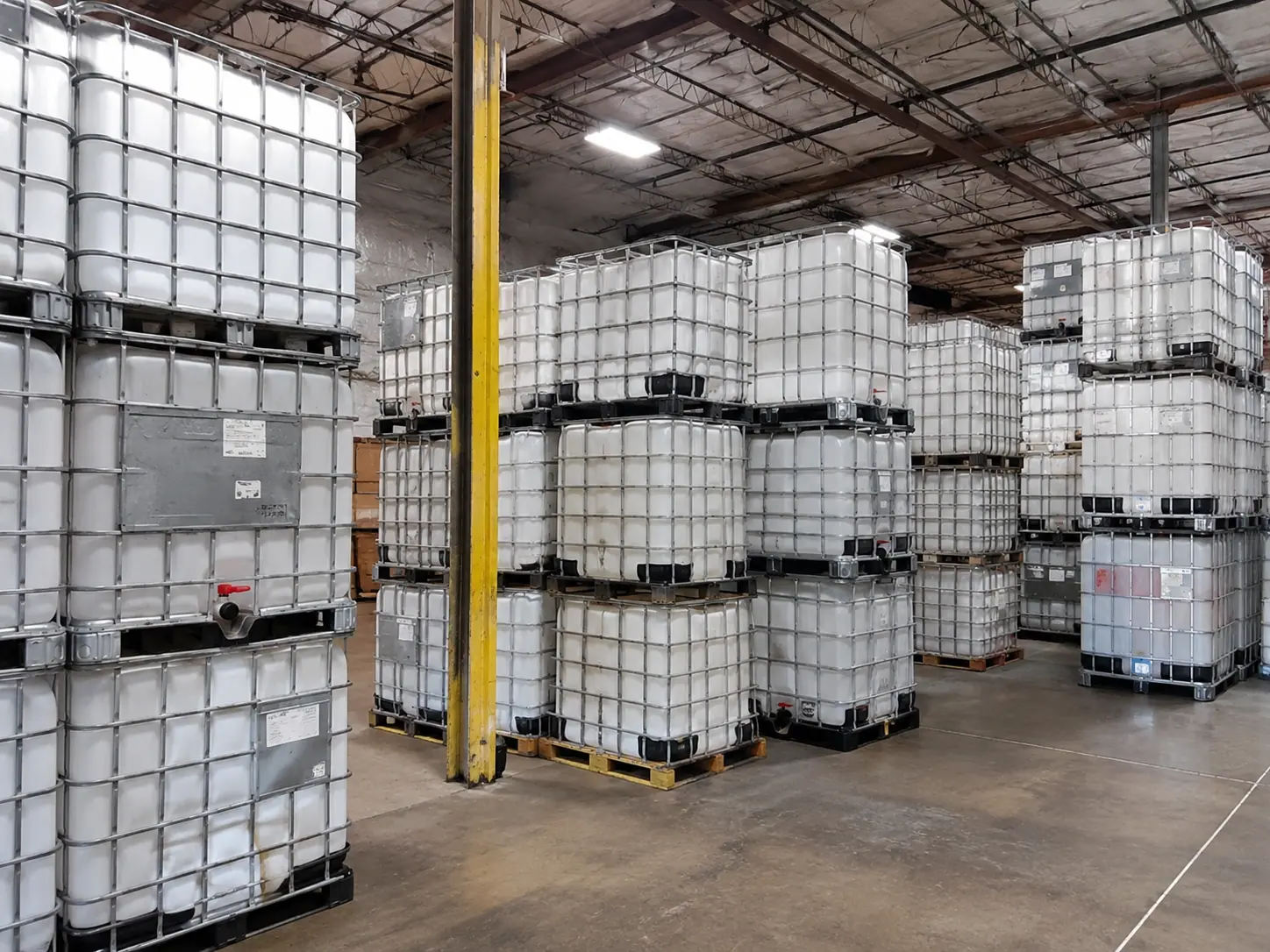
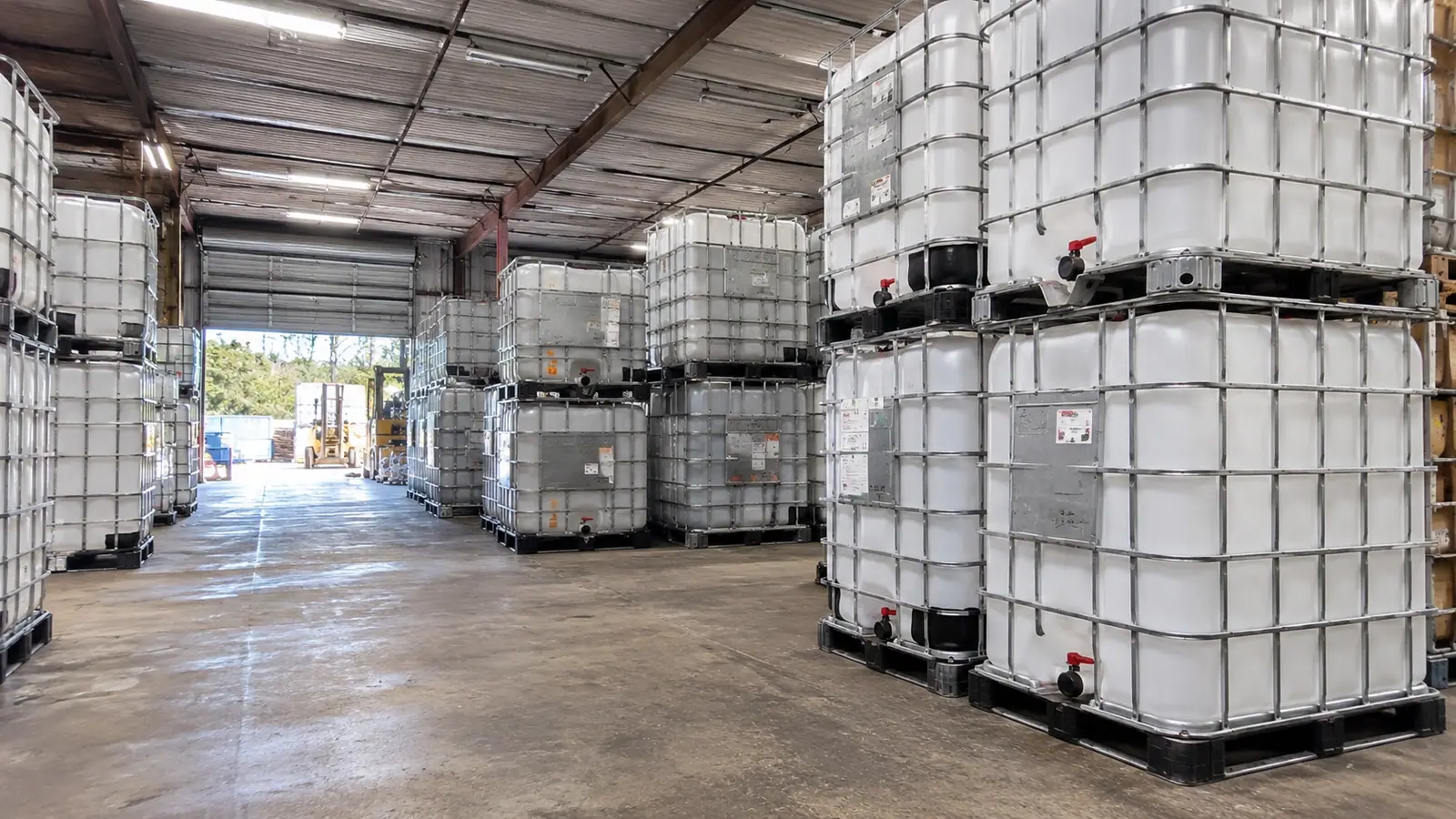
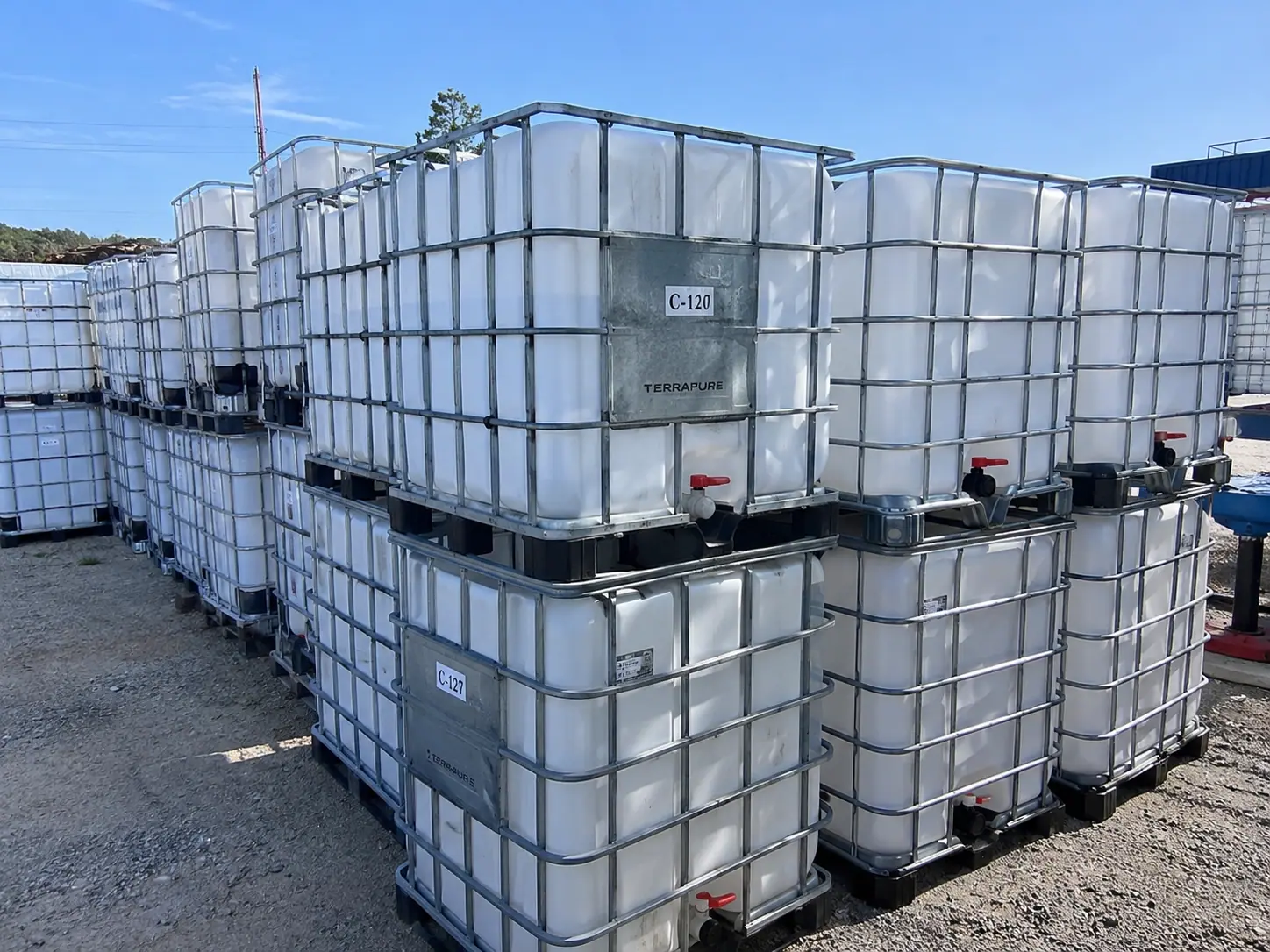
- Stacking. Loaded units double-stacked is a cause, not a coincidence.
- Where on the unit. Lower corner damage usually means handling. Mid-wall bulging usually means heat. Cage deformation usually means the load shifted.
- Pallet feet. Cracked feet are frequently the actual cause of a subsequent drop, and they are easy to see in a photograph and impossible to prove later.
What happens with a concealed damage claim
Sometimes damage genuinely is not visible until unloading — a hairline split that only weeps under head pressure, for instance. These are harder but not hopeless. Photograph immediately, keep the packaging and securement material, and notify the same day. The earlier the notification the better the outcome, and “we found it a week later” is usually the end of the conversation.
Our side of the deal
We strap over the cage top rail at every row, use corner protectors at every strap contact point, and put edge boards wherever a strap crosses a bottle. We never double-stack loaded units regardless of the stacking rating. If a load leaves our yard badly secured, that is our failure and we treat it as one.
And separately from freight damage: if a delivered unit does not match the grade on its card, email a photograph and we will credit the difference or collect and replace it, paying freight both directions. That is a grade guarantee rather than a freight claim and it has no form to fill in.
If your own carrier collected
Where you arrange freight and collect FCA from our yard, risk passes when the load leaves us, and the claim is with your carrier. We will still supply loading photographs, the securement record and anything else that helps you make the case — ask and we will send them the same day.
More detail on windows, docks, lift-gates and equipment is in the freight and delivery FAQ.
What to photograph, in order
People photograph the damage and skip the context, which is backwards. The context is what establishes cause, and cause is what settles the claim.
- The trailer, from behind, before anything is unloaded. Shows the securement as it arrived.
- The securement close up. Straps, where they cross, corner protectors present or absent, edge boards present or absent.
- The load as a whole, showing whether anything has shifted and whether units were stacked.
- Each damaged unit, wide. Enough to identify which unit and where it sat.
- Each damaged unit, close. With something for scale — a tape measure, a hand, a pen.
- The delivery receipt with your annotation visible on it.
Six photographs, perhaps ninety seconds, and it is the difference between a five-day settlement and a three-week argument.
How to write the annotation
Specific, factual, no interpretation. “Unit 7 of 24, bottle split at lower offside corner, approx 3 in, leaking” is excellent. “Damaged” is nearly worthless. “Driver was careless” is counterproductive — it invites an argument about a thing nobody can establish.
Note the count too. “24 units received, 2 damaged” closes off a later question about quantity that you do not want to be having at the same time as a damage discussion.
Reading damage patterns
Where the damage is tells you what happened, and it is worth knowing because it tells you whose problem it is before you send the email.
- Lower corner impact: handling. A tine, a drop, a nudge.
- Mid-wall bulging, no impact mark: heat, not handling. Nobody's fault in the usual sense.
- Deformation along a strap line: securement — a strap across unsupported bottle wall.
- Cage out of square with no bottle damage: load shift in transit.
- Cracked pallet foot: handling, and frequently the cause of a subsequent drop.
- Uniform scuffing on one face: rubbing against the trailer wall or another unit for 400 miles.
Concealed damage
Sometimes it genuinely is not visible on the deck — a hairline split that only weeps under head pressure, for instance. Those claims are harder and not hopeless.
What helps: notify the same day you find it, photograph immediately, keep the securement material and packaging, and describe when and how it was discovered. What does not help is finding it a week later after the unit has been moved three times.
Our own practice is to leak-test every unit before it ships, so a concealed split that passed our test and failed at your site almost certainly happened in transit — which is useful to both of us when we take it to a carrier.
Grade disputes are not freight claims
Worth separating clearly. If a unit arrives physically damaged, that is a freight claim. If it arrives sound but is a Grade B when the card says Grade A, that is a grade dispute and it is entirely ours.
Grade disputes have no form, no restocking fee and no time pressure beyond fourteen days. Email a photograph and we credit the difference or collect and replace, paying freight in both directions. We publish the full nineteen-point scoring system on the grade scale page precisely so you can hold us to it.
If you arranged your own carrier
Risk passes when the load leaves our yard and the claim is yours to make. We will still help: loading photographs, the securement record, the leak test result for each unit, and a written statement of condition at dispatch. Ask and we will send the package the same day.
We would rather spend twenty minutes helping you win a claim against a carrier than have you absorb a loss on units that left here sound.